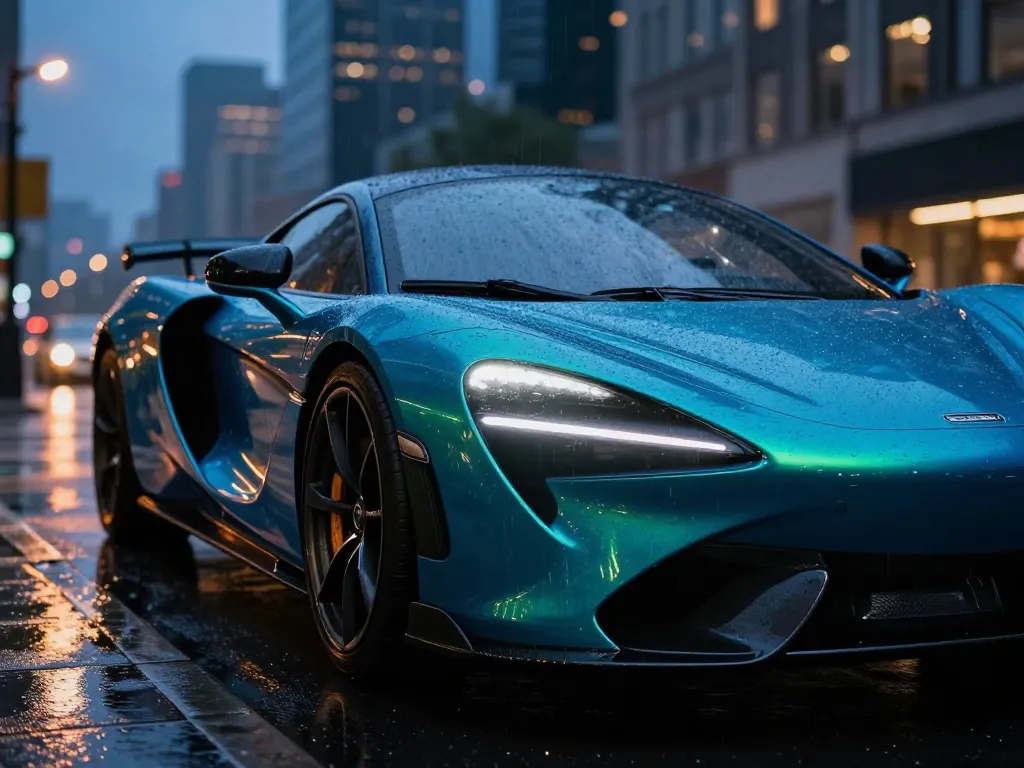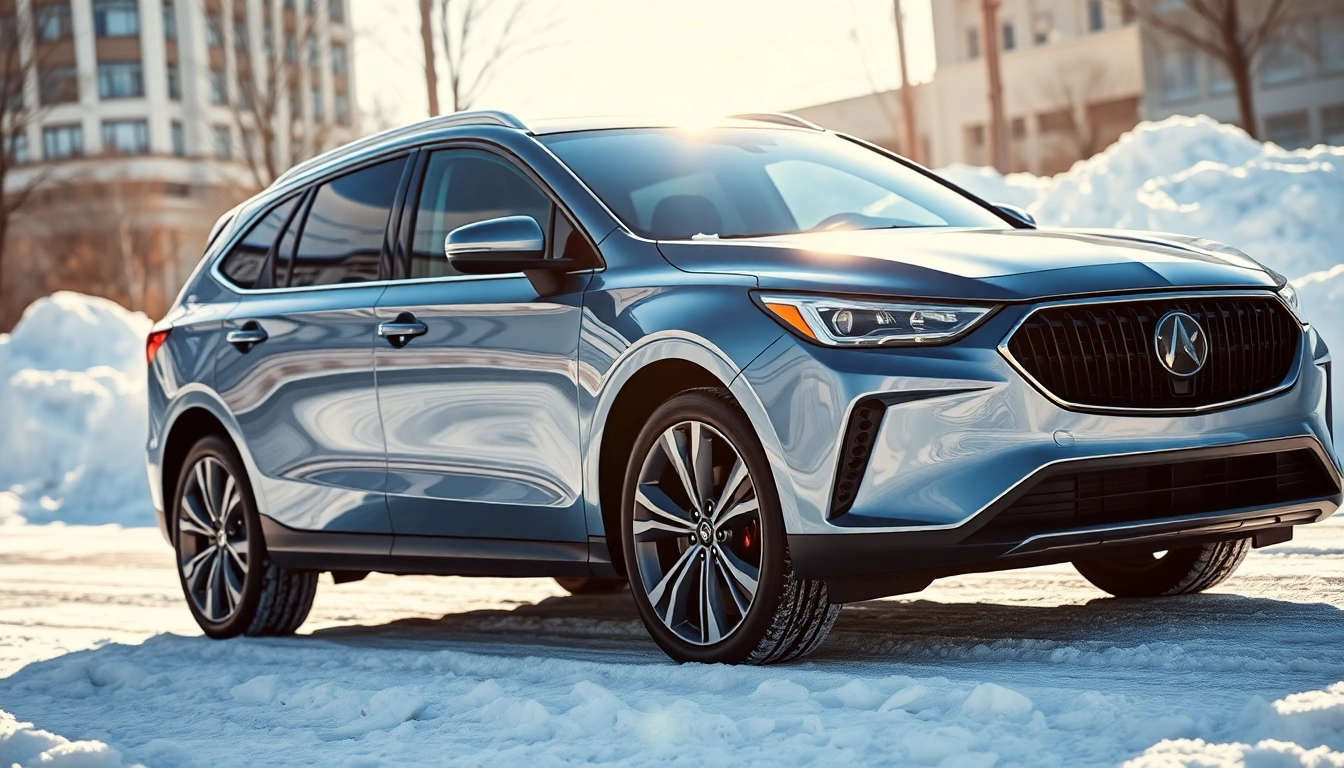
Understanding PPF Winter Road Salt Protection
What is PPF and Its Benefits?
Paint Protection Film (PPF) is a transparent, durable layer applied to the surface of a vehicle's paintwork to safeguard it against everyday elements. More than just a clear coat, PPF is engineered to protect against chips, scratches, and other environmental hazards, including the corrosive effects of road salt during winter. One of the primary advantages of using PPF is its self-healing properties, which allow minor scratches and swirls to disappear with heat exposure. Moreover, PPF is resistant to UV rays, helping to maintain your vehicle's cosmetic appeal while safeguarding its value.
The Need for Winter Protection
Winter brings a unique set of challenges for vehicle owners, particularly due to the widespread application of road salt intended to combat ice and snow. While this salt is effective for safety, it can wreak havoc on your vehicle's exterior, leading to rust and paint degradation. During this season, the risk of corrosion is notably heightened, making PPF winter road salt protection essential for maintaining your car’s aesthetics and structural integrity. By investing in PPF, vehicle owners take a significant step toward protecting their investment from the harsh winter environment.
How PPF Compares to Other Paint Protection Solutions
While there are various options for paint protection, such as ceramic coatings and waxes, PPF stands out for its unique attributes. Ceramic coatings, for instance, provide a chemical bond with the paint and offer some level of protection against scratches and contaminants, but they lack the thick barrier that PPF provides. Waxes, on the other hand, offer temporary protection and need to be reapplied frequently, making them less practical for long-term defense against winter elements. Overall, PPF delivers superior and durable defense against road salt, debris, and weather conditions, making it the preferred choice for winter protection.
Choosing the Right PPF for Winter
Evaluating PPF Quality and Durability
When selecting PPF for winter use, the quality and durability of the film are paramount. Look for films that employ advanced polymer technology to ensure they can withstand cold temperatures and disruptive conditions typical in winter. Thickness is another factor; reliable products usually range from 8 to 15 mils thick, providing a robust barrier against environmental concerns. Additionally, consider the warranty provided by the manufacturer; quality products often come with warranties that can range from five to ten years, ensuring value over time.
Key Features to Look for in Winter Protection
Several features define high-quality PPF suitable for winter protection. First, a self-healing capability is crucial; this allows minor abrasions to recover when exposed to heat from the sun or hot water. Scratch resistance is another vital characteristic, as winter driving conditions can lead to higher incidences of scrapes and chips. UV resistance must also be considered as prolonged exposure to sunlight can lead to discoloration and degradation of both the film and underlying paint.
Popular Brands and Recommendations
While we do not reference specific brands, various reputable manufacturers are known for producing high-quality PPF. Research customer reviews, seek professional recommendations, and consider PPF that is known for its flexibility and conformity to complex vehicle geometries. Investing in well-regarded products will enhance the protective benefits and longevity of the film on your vehicle.
Applying PPF in Winter Conditions
Preparing Your Vehicle for PPF Installation
Preparation is pivotal when applying PPF, especially in winter. Begin by ensuring your vehicle is impeccably clean. This involves washing and drying the vehicle thoroughly to remove dirt, grime, and old wax that could impede adhesion. Once clean, you should consider performing a paint inspection to assess for any existing damage that may need attention prior to applying PPF. If possible, conduct installation indoors or at a temperature above 50°F to ensure optimal adhesion and performance.
DIY Installation vs. Professional Services
Deciding between a DIY installation and hiring professionals depends on several factors, including your skillset and the complexity of the job. While DIY kits can be a cost-effective choice, they require a certain level of skill, technique, and patience. Professional installation offers the advantage of expertise and precision, particularly helpful for intricate areas such as bumpers and edges where misalignment can occur. Ultimately, the level of protection and durability desired should guide this important decision.
Common Challenges and Solutions
Installing PPF can present challenges, particularly in colder temperatures. Adhesion issues may arise if the installation environment is too cold or if the film is not acclimated to the climate. To combat this, using heat guns during installation can aid in the film's flexibility and adherence. Additionally, bubbles may occur; it is essential to utilize a squeegee effectively and address air pockets promptly. Understanding these challenges and their solutions is critical for a successful PPF application.
Maintaining Your PPF During Winter
Cleaning Techniques to Avoid Damage
Proper maintenance of your PPF during winter is crucial to ensure longevity and effectiveness. When cleaning, it's advisable to use pH-neutral soap and a soft microfiber cloth to avoid scratching the film. Avoid automated car washes that employ harsh brushes, as these can cause damage. Additionally, rinsing off road salt and grime frequently can prevent corrosion and clouding of the film's surface.
Inspecting Your PPF Post-Installation
Regular inspection of your PPF is essential for identifying early signs of wear and damage. Look for lifting edges, discoloration, or bubbles that may indicate an adhesion failure. Performing visual checks periodically, particularly after harsh weather, can help catch issues before they become significant problems. Addressing minor concerns promptly can extend the lifespan of your PPF.
Tips for Long-Lasting Protection
To maximize the protection offered by your PPF, follow a few key guidelines. First, limit exposure to harsh chemicals or abrasives, as these can erode the film's integrity over time. Second, applying a ceramic coating on top of the PPF can enhance hydrophobic properties and provide additional defense against environmental contaminants. Lastly, consider scheduling professional assessments and maintenance to keep your PPF in optimal condition.
Frequently Asked Questions About PPF Winter Road Salt Protection
Does PPF prevent rust from salt exposure?
Yes, PPF acts as a barrier that protects your paint from the corrosive effects of road salt, thereby reducing the risk of rust formation.
How long does PPF last in winter conditions?
High-quality PPF can last between five to ten years, depending on exposure to elements, care, and maintenance practices.
Can I install PPF during extreme cold?
Installing PPF in extreme cold is not recommended as it can hinder adhesion. Ideal temperatures are generally above 50°F.
What are the costs associated with PPF?
The cost of PPF varies based on quality and coverage area but typically ranges from $500 to $1,500 for a standard vehicle.
Is PPF removable without damaging the paint?
Yes, PPF is designed to be removable, and when done correctly, it will not damage the underlying paint, provided the paint is in good condition.