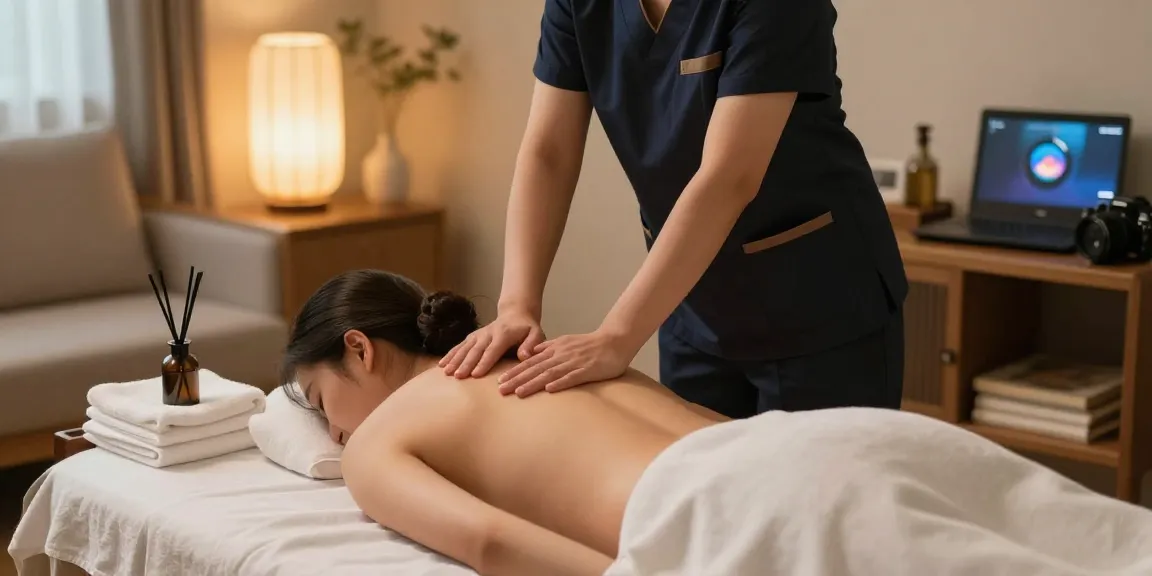

Understanding the Spa Advertising Landscape
In today’s fast-paced world, spas have become sanctuaries for those seeking relaxation and rejuvenation. However, amid the growing competition, it is crucial for spas to adopt innovative advertising strategies that not only attract potential clients but also retain existing ones. The landscape of spa advertising is constantly evolving, influenced by changing consumer preferences and advancements in technology. As we approach 2026, understanding current trends and strategies is essential for any spa looking to stand out in a crowded marketplace. When exploring options, Spa Ads offer comprehensive insights into the best practices for promoting your wellness services effectively.
Current Trends in Spa Ads for 2026
As we move further into 2026, several key trends are shaping the spa advertising sector. One notable trend is the increasing focus on personalized marketing. With advancements in data analytics and AI, spas can create tailored content that speaks directly to their target audience’s preferences and needs. For instance, utilizing customer data to craft localized ads that resonate with community interests can enhance engagement rates.
Moreover, sustainability is becoming a crucial element of spa advertising. Consumers are more conscious of eco-friendly practices, meaning spas that highlight their sustainable methods and products can attract a growing demographic seeking responsible wellness options. This includes promoting organic treatments, recycling initiatives, and partnerships with local sustainable businesses.
Target Audience Insights for Spa Marketing
Understanding the target audience is pivotal for effective spa advertising. Today’s spa-goers are not just looking for services; they seek experiences that align with their lifestyles. Target demographics often include busy professionals, health-conscious individuals, and wellness enthusiasts. Tailoring ads to highlight stress relief, rejuvenation, and self-care can create a compelling narrative that appeals to these audiences.
Moreover, segmenting the audience based on age, income, and preferences can further refine marketing strategies. For example, younger audiences might respond better to social media campaigns featuring influencers, while older demographics may appreciate more traditional forms of advertising, such as print media or direct mail.
Key Components of Effective Spa Advertising
Successful spa advertising hinges on several critical components. Firstly, clarity is key; advertisements should convey clear and concise messaging that communicates the unique selling points of your spa. This includes features like specialized treatments, exceptional customer service, and exclusive offers.
Additionally, compelling visuals play an essential role. High-quality images of the spa environment, treatments, and satisfied customers can evoke an emotional response, drawing potential clients in. Furthermore, ensure that the branding is consistent across all platforms, creating a cohesive identity that customers can recognize and trust.
Creating Compelling Spa Ads
Visual Elements that Captivate
Visual appeal is paramount in spa ads. Utilize vibrant colors, serene images, and engaging graphics that reflect the tranquil ambiance of your spa. For instance, using images that capture the essence of relaxation—such as serene landscapes, calming interiors, or luxurious spa treatments—can attract the viewer’s attention. Incorporating elements like testimonials or quotes from satisfied clients can also enhance credibility.
Moreover, consider the layout and design of your ad. A clean, organized format helps convey the message without overwhelming the viewer. Using whitespace effectively can draw focus to important details, such as promotions or services offered.
Crafting the Right Message for Spa Ads
The message is as important as the visuals in spa advertising. Your ad should tell a story that resonates with potential clients. Focus on the benefits of the services you offer rather than just listing treatments. For example, instead of simply mentioning a massage, evoke the feeling of relaxation and stress relief that accompanies it.
Additionally, using a strong call-to-action (CTA) can significantly improve ad effectiveness. Encourage prospective clients to book an appointment or visit the website for a special offer. Phrasing like “Experience serenity today” or “Treat yourself to a day of relaxation” can elicit a positive response.
Audio and Video Engagement Techniques
With the rise of digital media, integrating audio and video content into spa advertising can yield exceptional results. Video ads that showcase a day at the spa, featuring satisfied clients and serene treatments, can effectively communicate the overall experience. Platforms like Instagram and TikTok are perfect for short, engaging video ads that draw viewers in.
Moreover, consider incorporating soothing background music or guided relaxation audio within your ads. This not only enhances the sensory experience but also aligns with the tranquil environment of a spa, making the offerings more appealing.
Leveraging Digital Platforms for Spa Ads
The Role of Social Media in Spa Marketing
Social media platforms are essential for contemporary spa advertising, providing a direct line to potential customers. Utilize platforms like Instagram and Facebook to share high-quality visuals, engage with followers, and promote special offers. Regular posting and interaction with users can foster a sense of community around your brand.
Moreover, social media allows for targeted advertising, enabling spas to reach specific demographics that align with their services. Utilizing tools like Facebook Ads can help ensure your message is seen by those most likely to convert into clients.
Google Ads Strategies for Spas
Google Ads remain a cornerstone of many digital advertising strategies. By focusing on local SEO and targeted keywords, spas can ensure they appear in relevant search results. This is especially effective for attracting local clients searching for spa services near them.
Use geo-targeting to show ads to potential clients in specific areas, and consider using ad extensions to add additional information, such as links to specific treatments or contact details.
Email Campaigns that Convert
Email marketing is another effective avenue for spa advertising. Crafting engaging newsletters that offer valuable content alongside promotions can keep your spa top-of-mind for potential and existing clients. Consider segmenting your email lists to tailor messages to different audience segments, such as new clients or loyal customers.
Incorporating personalized offers, such as birthday discounts or referral bonuses, can also enhance engagement and encourage bookings.
Measuring Success in Spa Advertising
Key Performance Indicators for Spa Ads
To assess the effectiveness of spa advertisements, it is crucial to define clear Key Performance Indicators (KPIs). Common KPIs include conversion rates, click-through rates (CTR), and return on investment (ROI). Understanding these metrics can help identify which advertising strategies are working and which may need adjustments.
Additionally, tracking customer acquisition costs can provide insight into how effectively your advertising budget is being utilized, allowing you to make informed decisions moving forward.
Analyzing Customer Engagement with Spa Promotions
Engagement metrics, such as social media interactions, website traffic, and email open rates, are vital for evaluating the success of promotional campaigns. Analyzing these figures can offer valuable insights into clients’ interests and preferences, enabling you to refine your advertising strategies accordingly.
Consider utilizing tools like Google Analytics to gain deeper insights into customer behavior and engagement patterns, allowing for more targeted and effective advertising efforts.
Utilizing Feedback for Continuous Improvement
Customer feedback is invaluable for refining spa advertising strategies. Actively seek reviews and testimonials from clients, and use this information to enhance your offerings and marketing approaches. By addressing the concerns and suggestions from your clientele, you can build stronger relationships and improve overall satisfaction.
Moreover, implementing regular surveys can help gauge customer satisfaction levels and identify areas for improvement in both services and advertising strategies.
Future of Spa Ads: Innovations Ahead
Emerging Technologies Impacting Spa Advertising
The future of spa advertising will likely be heavily influenced by emerging technologies. Virtual reality (VR) and augmented reality (AR) are becoming increasingly popular, allowing potential clients to explore spa offerings in a more immersive way. For instance, a virtual tour of the spa or AR experiences showcasing treatments can significantly enhance customer engagement.
Additionally, AI-powered chatbots can provide instant customer service on websites and social media pages, answering queries and helping to convert leads into bookings.
Predictions for Spa Marketing Strategies Beyond 2026
Looking ahead, the integration of personalized marketing strategies is expected to deepen. As consumers increasingly seek tailored experiences, spas will need to leverage data analytics to create targeted ads that reflect individual preferences and lifestyles.
Furthermore, the rise of wellness tourism indicates that spas may need to market not only their services but also their unique experiences to attract international clientele.
Adapting to Changing Consumer Preferences in Spa Ads
As consumer preferences continue to evolve, spas must remain agile and responsive to these changes. This includes staying updated on trends, such as the increasing demand for holistic and integrative wellness services. Spas that adapt their advertising strategies to highlight these offerings will likely attract a more extensive client base.
Moreover, addressing health and safety in advertising can also reassure clients, especially in a post-pandemic world where cleanliness and safety have become significant factors in decision-making.
What are the best platforms for Spa Ads?
The most effective platforms for spa advertising include social media channels like Instagram and Facebook due to their visual nature and broad reach. Additionally, Google Ads provide an excellent opportunity for local targeting, ensuring that your ads reach those in proximity to your spa.
How can I make my Spa Ads stand out?
To make your spa ads stand out, focus on high-quality visuals, compelling messaging, and personalized content. Highlight unique offerings and client testimonials, and ensure that your branding remains consistent across all platforms.
What types of promotions work best for spas?
Effective promotions for spas often include introductory offers, seasonal discounts, and package deals. Loyalty programs that reward returning clients can also encourage repeat business and word-of-mouth referrals.
How often should I run Spa Ads?
Running spa ads should be frequency-based on your marketing goals and budget. Consistent advertising, especially during peak seasons, can ensure that your spa remains top-of-mind for potential clients.
What metrics should I track for Spa Ads?
Essential metrics to track for spa ads include conversion rates, click-through rates, social media engagement, and customer acquisition costs. Monitoring these metrics can help optimize your advertising strategies for better results.